



- By Mahesh
- 04 Aug 2026
How MHADA’s 1,100-Home CISF Leasing Plan Could Unlock ₹13.56 Crore Every Year and Transform Unsold Housing
A Strategic Shift That Turns Vacant Homes Into Long-Term Public Assets
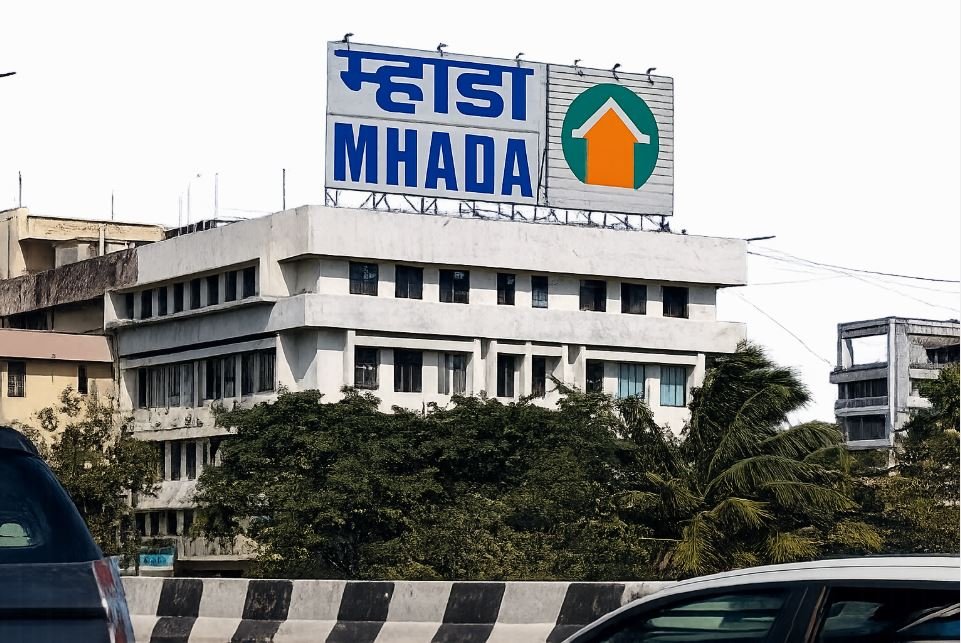
Housing projects are often judged by how many homes they build. But their long-term success depends equally on how effectively those homes are utilized. MHADA’s latest decision to lease 1,100 unsold homes in its Shirdhon township to the Central Industrial Security Force (CISF) represents a significant shift in thinking. Instead of allowing completed housing stock to remain vacant, the authority is moving toward a model that generates recurring revenue while ensuring productive use of public assets.
Under the leadership of IAS Sanjeev Jaiswal, Vice President and CEO of MHADA, the authority has increasingly focused on improving the financial sustainability of housing projects alongside expanding affordable housing opportunities. The proposed leasing arrangement with CISF reflects a practical administrative approach that converts idle inventory into a dependable revenue stream while strengthening institutional partnerships. Rather than viewing unsold housing as a liability, MHADA is positioning it as an income-generating asset capable of supporting future development.
Highlight: By converting vacant homes into recurring rental assets, MHADA is demonstrating that financial innovation can be as important as housing construction in public-sector urban development.
MHADA’s Shirdhon Mega Housing Project Enters a New Phase
The Shirdhon housing development in Thane district is among MHADA's largest ongoing residential initiatives. The project comprises more than 18,000 houses, making it one of the authority's most ambitious housing developments.
The project has already witnessed multiple phases of allocation. In 2018, MHADA offered 1,905 homes for the economically weaker and low-income sections through a lottery system. Subsequently, approximately 5,000 houses were made available during 2025.
Despite these allotments, a section of completed homes remained unsold. Rather than allowing these properties to remain vacant indefinitely, MHADA has identified an alternative use that benefits both the authority and a central security force requiring residential accommodation.
This represents a shift from simply building housing to managing housing assets more efficiently.
Leasing Instead of Waiting for Buyers
The proposed agreement involves leasing 1,100 unsold homes to CISF personnel.
The housing distribution includes:
- 600 homes for the Very Low Income Group (VLIG)
- 500 homes for the Low Income Group (LIG)
The apartments range in size from approximately 310 square feet to 450 square feet, making them suitable for family accommodation while remaining within the affordable housing segment.
Monthly rental rates have been fixed according to housing category:
- ₹8,000 per month for Very Low Income Group homes
- ₹13,000 per month for Low Income Group homes
An agreement between MHADA and CISF is expected to formalize the arrangement.
₹13.56 Crore Annual Rental Income Creates Financial Stability
Perhaps the most significant outcome of this initiative is the predictable revenue it generates.
According to the proposal, MHADA will receive approximately ₹13.56 crore in rental income every year from leasing these 1,100 homes.
Unlike one-time property sales, rental income provides recurring cash flow. This predictable annual revenue can strengthen MHADA's financial planning and improve its ability to maintain existing housing projects while supporting future developments.
The arrangement also reduces the financial burden associated with maintaining vacant residential units, which otherwise continue to require upkeep without generating returns.
In public-sector housing, converting dormant inventory into recurring revenue may prove more valuable than waiting indefinitely for future buyers.
Additional Financial Gains Through Security Deposits
The leasing arrangement offers benefits beyond monthly rent.
CISF will be required to provide a security deposit equivalent to two months' rent before occupying the homes.
As a result, MHADA is expected to receive approximately ₹2.25 crore as an upfront security deposit.
This immediate inflow provides additional liquidity while reinforcing the financial structure of the agreement.
Although refundable under lease conditions, such deposits strengthen cash management during the lease period and reduce financial risks associated with property management.
Annual Rent Escalation Adds Long-Term Value
An important feature of the leasing model is its built-in annual rent revision.
The agreement provides for a five percent annual increase over the original rental amount.
This escalation mechanism allows rental income to grow over time instead of remaining fixed for the duration of the lease.
Such structured rent revisions help offset inflationary pressures and ensure that the value of MHADA's housing assets continues to appreciate from a revenue perspective.
For a public housing authority responsible for managing thousands of residential units, this type of long-term financial planning becomes increasingly important.
More Than Revenue: Improving Asset Utilization
The broader significance of the Shirdhon leasing initiative extends beyond financial returns.
Large housing developments frequently face the challenge of unsold inventory, particularly when market demand and supply are temporarily mismatched.
Vacant homes often represent locked capital.
By leasing these units instead of leaving them unused, MHADA improves occupancy levels while ensuring that completed infrastructure serves an active purpose.
Occupied housing also contributes to better maintenance, more vibrant residential communities, and improved utilization of civic infrastructure already created within the township.
In that sense, the initiative is as much about operational efficiency as it is about revenue generation.
A Practical Model for Future Public Housing Projects
The Shirdhon project demonstrates how public housing authorities can diversify the use of completed housing stock.
Rather than relying exclusively on outright sales, authorities can explore institutional leasing wherever demand exists from government agencies or public institutions.
Such partnerships help maximize returns from completed projects without compromising the larger objective of affordable housing creation.
If successfully implemented, the Shirdhon model may serve as a practical reference for managing unsold inventory across future housing developments.