



- By Bhawana
- 31 Aug 2026
Mumbai-MMR Affordable Housing Plan: 30 Lakh Homes Target by 2047, MHADA and SRA Set for Key Role
Maharashtra Sets Major Affordable Housing Target for Mumbai and MMR
The Maharashtra government has set an ambitious target to build 30 Lakh affordable homes across Mumbai and the Mumbai Metropolitan Region (MMR) by 2047. The long-term plan is aimed at meeting the growing demand for housing while improving infrastructure, transportation and overall urban development.
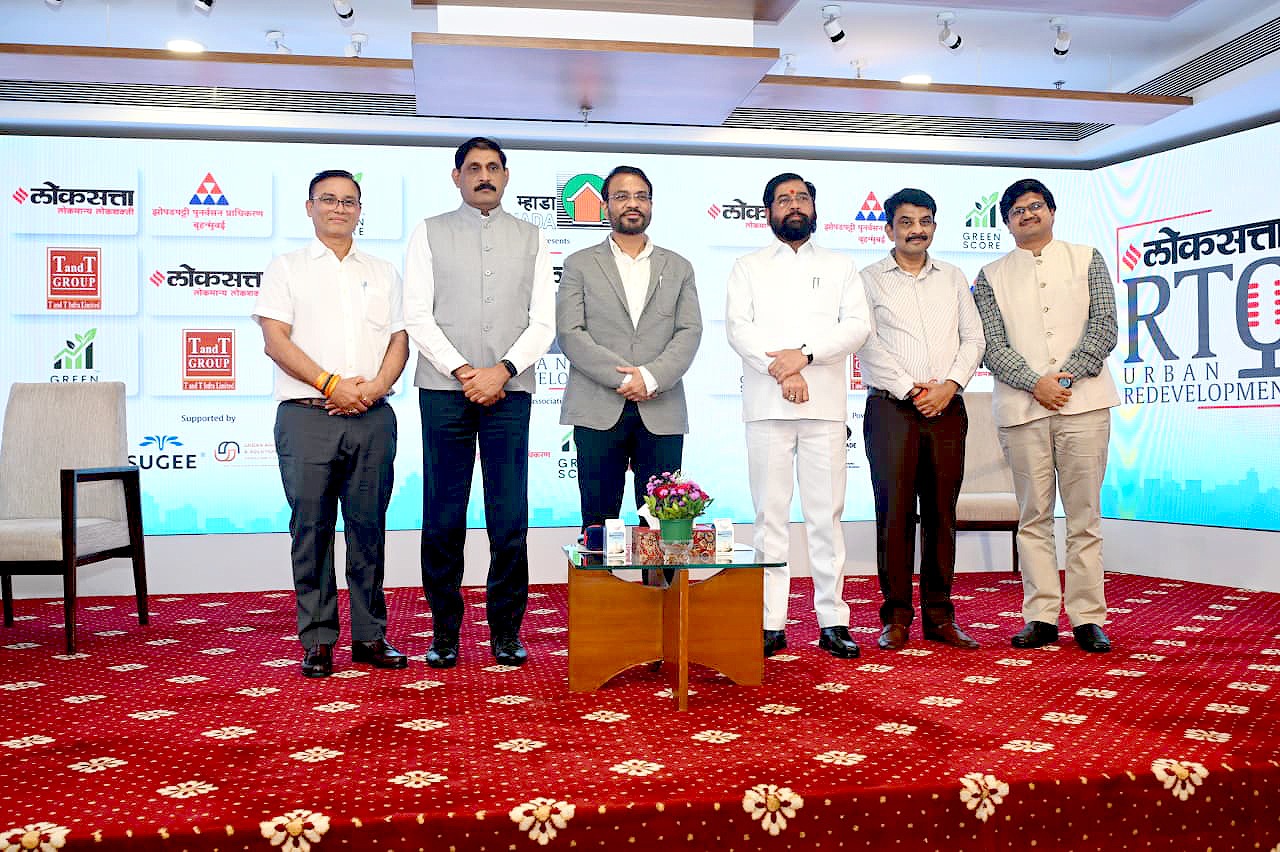
Deputy Chief Minister Eknath Shinde said the government's vision goes beyond constructing houses. The plan also focuses on creating well-connected neighborhoods, better public facilities and modern infrastructure to support Mumbai's future growth.
Mumbai to Get 10 Lakh Affordable Homes
Under the proposed housing plan, around 10 Lakh homes are expected to be developed in Mumbai.
Of this target, approximately 600,000 homes are planned through the Slum Rehabilitation Authority (SRA), while another 400,000 homes are expected through MHADA and other housing projects.
The initiative is expected to provide more affordable housing options for residents while helping address the shortage of homes in Mumbai.
20 Lakh Homes Planned Across MMR
The government has set a further target of 20 Lakh homes across the wider MMR region.
The proposed development will cover areas including Thane, Mira-Bhayander, Kalyan-Dombivli, Navi Mumbai, Ulhasnagar and Bhiwandi. Expanding housing opportunities in these areas could help distribute population growth more evenly and reduce pressure on central Mumbai.
The plan also links housing development with improved transportation and infrastructure so that residents can have better access to workplaces, schools, healthcare and other essential services.
MHADA Expected to Play an Important Role
MHADA is expected to remain an important agency in Maharashtra's affordable housing and redevelopment plans. As MHADA Vice President and CEO, IAS Sanjeev Jaiswal has been associated with several initiatives focused on housing delivery, redevelopment and improving services for homebuyers.
The authority's role is expected to become increasingly important as Maharashtra works toward its long-term affordable housing target. Greater emphasis on transparent housing processes, redevelopment and planned development can help make more housing opportunities available to eligible families.
UDCPR to Support Redevelopment of Old Buildings
Redevelopment of old and unsafe buildings is another major part of the government's urban development strategy.
According to Shinde, the implementation of the Unified Development Control and Promotion Regulations (UDCPR) has opened new opportunities for redevelopment of aging structures. This is particularly significant in densely populated areas such as Mumbai and Thane, where many old buildings require timely redevelopment.
The government aims to promote safe and organized redevelopment while improving the quality of housing and living conditions for residents.
Cluster Development to Bring Modern Civic Facilities
The Cluster Development Scheme is also being highlighted as an important tool for transforming old and unauthorized settlements.
The approach focuses on more than simply constructing new buildings. It aims to create complete neighborhoods supported by essential civic infrastructure.
The proposed cluster development model includes 23 types of civic amenities, including digital libraries, open spaces, community halls, primary health centers and women's empowerment centers.
These facilities are expected to make redeveloped areas more comfortable, accessible and suitable for modern urban living.
New Policies to Boost Housing and Redevelopment
The Maharashtra government has announced several measures to encourage redevelopment and construction activity.
These include the Abhay Yojana for residential housing societies, redevelopment of buildings following the Pagdi system and redevelopment of chawls located on former textile mill land.
The state has also introduced a policy aimed at encouraging the construction of iconic buildings in Mumbai, adding to its broader plans for urban transformation.
Thane Ring Metro to Improve MMR Connectivity
The Thane Internal Ring Metro project is another major infrastructure initiative planned to support the region's growing population.
The project is expected to reduce pressure on railway stations in Thane, shorten travel times and improve last-mile connectivity. Better transportation links could also support housing development in different parts of the MMR.
Improved connectivity between residential areas and employment centers is expected to become increasingly important as the region expands.
'Third Mumbai' Vision Focuses on Future Development
The government is also planning a new growth area referred to as "Third Mumbai."
The development is being planned around key infrastructure such as Navi Mumbai Airport, Atal Setu and JNPA. The proposed vision includes specialized zones such as Aerocity, Medicity, Sports City, Educity and an IT-Fintech Hub.
The objective is to create new centers for employment, business, education, healthcare and technology while reducing development pressure on existing parts of Mumbai.
Affordable Housing Linked With Mumbai's Economic Growth
The government believes major housing and infrastructure projects will help Mumbai and MMR prepare for future population growth.
Shinde said large projects can initially face concerns, but public engagement and efforts to address those concerns can help projects move forward. Projects such as the Samruddhi Mahamarg, Coastal Road and Atal Setu were cited in this context.
The broader vision is to strengthen Mumbai's position as a global financial and fintech center, attract startups and foreign investment, and support Maharashtra's continued economic growth.
With a target of 30 Lakh affordable homes by 2047, MHADA and SRA are expected to have a significant role in meeting the region's future housing needs. The combination of affordable housing, redevelopment, improved connectivity and modern civic facilities could help shape a more organized and sustainable Mumbai-MMR region.