



- By Nirmal Ajwani
- 21 Aug 2026
MHADA Takes Charge of Umarkhadi Redevelopment, Moves 36-Building First Phase Proposal for Approval
Mumbai’s redevelopment story is increasingly moving toward larger, coordinated projects that can address housing needs while creating a more organized urban environment. In this direction, the Maharashtra Housing and Area Development Authority (MHADA) has taken a significant step by deciding to undertake the group redevelopment of the 6.23-acre Umarkhadi complex in Byculla, South Mumbai, through its own contractor.
For IAS Sanjeev Jaiswal and MHADA, the decision reflects a practical approach to unlocking the potential of large housing clusters while keeping redevelopment aligned with the broader objective of improving housing infrastructure. By choosing to lead the Umarkhadi redevelopment through a tender-appointed contractor, MHADA is positioning itself to play a more direct role in delivering homes, rehabilitation and redevelopment outcomes in a strategically important part of South Mumbai.
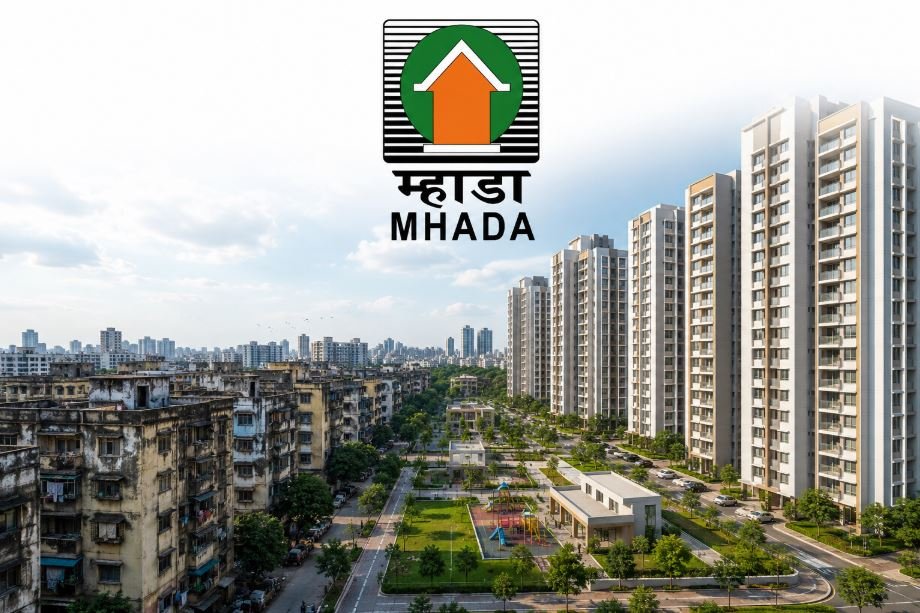
Highlight: Umarkhadi marks a decisive shift toward MHADA-led redevelopment, combining phased execution with a stronger focus on housing and urban renewal.
MHADA Umarkhadi Redevelopment Moves Into a New Phase
The MHADA Mumbai Building Repair and Redevelopment Board has decided to redevelop the Umarkhadi area in two phases. A proposal covering 36 buildings in the first phase has recently been submitted to the Housing Department for approval.
The decision is particularly significant because MHADA had earlier examined two possible approaches. One option was the Construction and Development Agency (C&D) model, similar to the approach considered for Motilal Nagar. The other was for MHADA itself to appoint a contractor through a tender process and directly undertake the redevelopment.
After evaluating both possibilities, the board has chosen the second route.
This approach gives MHADA greater responsibility for implementation while also creating the possibility of generating additional housing and revenue for the authority. The decision therefore represents more than a redevelopment model change. It reflects an opportunity to use MHADA’s institutional role to create greater value from a large and complex housing cluster.
Why Cluster Redevelopment Matters for Mumbai
Umarkhadi is part of a wider shift in MHADA’s approach toward cluster redevelopment. Rather than treating individual buildings as isolated projects, cluster redevelopment brings multiple structures and land parcels into a coordinated development framework.
MHADA has undertaken 11 cluster redevelopment projects covering 900 acres across Mumbai. The Kamathipura project is among these initiatives, demonstrating the authority’s growing focus on large-scale redevelopment of areas that include cessed buildings and MHADA colonies.
The Umarkhadi decision follows this broader direction. The Correction Board had decided a few months ago to undertake group redevelopment in the Byculla area. A detailed proposal has now been prepared and forwarded to the Housing Department.
The importance of this model lies in its ability to look at an entire neighborhood rather than a single building. For residents, that can create a clearer pathway toward rehabilitation. For the city, it can support more coordinated redevelopment. For MHADA, it creates an opportunity to manage a larger transformation through a structured framework.
81 Buildings and Nearly 2,200 Units in the Existing Complex
The scale of Umarkhadi explains why the project requires careful planning and phased execution.
The complex comprises 81 buildings spread across 6.23 acres. These include 9 PMGP buildings, along with some cessed and private buildings. Together, the existing structures contain 1,928 residential units and 268 non-residential units.
The initial redevelopment proposal envisaged redevelopment of all 81 buildings and rehabilitation of around 2,000 residents. However, the proposal currently submitted for approval focuses on 36 buildings in the first phase.
This phased strategy can help create a more manageable implementation framework. Instead of attempting to move the entire project forward simultaneously, MHADA can begin with a defined group of buildings, assess execution requirements and then progress toward the remaining structures.
Two-Phase Plan Creates a Clear Roadmap
The first phase covers 36 buildings, while the remaining buildings will form part of the second phase.
The proposal for the first phase has already been sent to the Housing Department for approval. Further action will follow once the proposal receives the necessary approval.
At the same time, MHADA is planning to prepare a separate proposal for the second phase. This indicates that the authority is approaching Umarkhadi as a continuing redevelopment program rather than a one-time intervention.
For a project involving 81 buildings, multiple categories of existing structures and a substantial residential and non-residential population, such sequencing can be important. A phased approach can provide MHADA with a clearer operational framework while allowing the redevelopment process to move forward in defined stages.
MHADA’s Direct Role Could Strengthen Housing Outcomes
One of the most important aspects of the Umarkhadi decision is MHADA’s choice to undertake the redevelopment itself instead of proceeding through the C&D model.
Officials had considered the financial implications of both options. Under direct redevelopment, MHADA could potentially have access to more additional homes and generate greater revenue. Although financial resources had earlier made the C&D model an attractive possibility, the board has now chosen the contractor-led approach under MHADA’s own supervision.
This decision highlights an important principle in public housing: redevelopment is not simply about replacing old buildings with new structures. It is also about deciding how public institutions can maximize housing value while maintaining a clear focus on residents.
By taking a direct role, MHADA has the opportunity to retain greater institutional control over the project and connect redevelopment with its broader housing responsibilities.
Umarkhadi Could Become a Model for Coordinated Redevelopment
The Umarkhadi project also illustrates the changing nature of Mumbai’s housing challenge. Large redevelopment projects require coordination among residents, government departments, housing authorities, contractors and multiple categories of existing properties.
MHADA’s decision to divide Umarkhadi into two phases creates a structured pathway for handling this complexity. The immediate focus is on securing approval for the 36-building first phase, while preparations for the second phase can continue in parallel.
The broader significance is that cluster redevelopment can help MHADA approach aging and fragmented housing stock at a neighborhood scale. With 11 cluster projects already covering 900 acres, Umarkhadi adds another important dimension to this strategy.
A Positive Step Toward South Mumbai’s Housing Renewal
The redevelopment of Umarkhadi is ultimately about turning a complex urban challenge into an organized opportunity. The 6.23-acre project, involving 81 buildings, 1,928 residential units and 268 non-residential units, is substantial in both scale and responsibility.
MHADA’s decision to appoint its own contractor through a tender process signals a stronger institutional role in delivering the redevelopment. The submission of the 36-building first-phase proposal to the Housing Department is an important procedural milestone, while the planned second phase provides a longer-term roadmap for the remaining structures.
For MHADA, the Umarkhadi initiative represents a constructive move toward coordinated redevelopment, better use of land and stronger housing outcomes. More importantly, it demonstrates how phased planning and institutional leadership can help transform difficult redevelopment projects into opportunities for a more organized and housing-focused Mumbai.