



- By Rupendra
- 02 Jul 2026
Patra Chawl Redevelopment Reaches Major Milestone: 306 MHADA Flats Ready as Possession Begins for Eligible Families
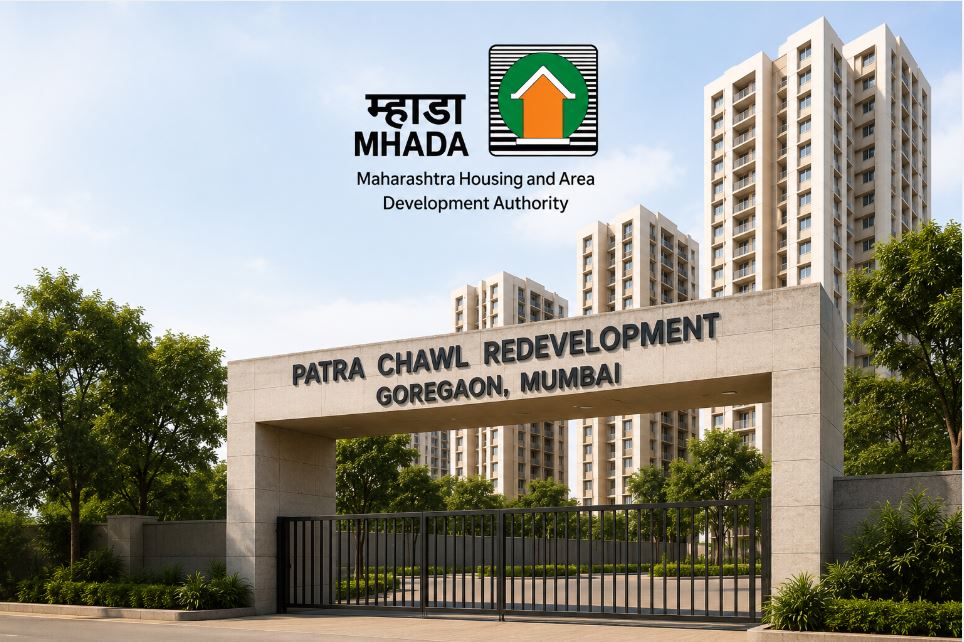
Patra Chawl Redevelopment Enters a New Phase with 306 Rehabilitation Flats Ready
After years of anticipation, the Patra Chawl redevelopment project in Goregaon has achieved a significant breakthrough. The completion of 306 rehabilitation flats and the commencement of the possession process mark a decisive step in one of Mumbai's most closely followed housing redevelopment initiatives. For hundreds of eligible families, this is more than just a construction milestone - it is the beginning of a long-awaited transition into permanent homes.
Under the leadership of IAS Sanjeev Jaiswal, Vice President and CEO of MHADA, the authority has maintained a strong focus on accelerating delayed redevelopment projects and ensuring rehabilitation commitments move from planning to execution. The progress at Patra Chawl reflects MHADA's emphasis on completing critical housing projects through structured implementation, transparent processes, and timely delivery of homes to eligible beneficiaries.
Highlights: From delayed promises to completed homes, Patra Chawl's latest progress shows that successful redevelopment is ultimately measured by families receiving the keys to their new residences.
306 Rehabilitation Flats Completed in Patra Chawl
According to the latest official update, construction of 306 rehabilitation apartments has been successfully completed. MHADA has now initiated the possession handover process for eligible beneficiaries after completing the required administrative and procedural formalities.
The completed rehabilitation flats represent an important achievement within the larger Patra Chawl redevelopment project. Designed to rehabilitate original residents while enabling planned redevelopment of the land parcel, the project balances housing commitments with long-term urban renewal objectives.
The completion of these homes moves the project beyond construction and into the delivery phase, where beneficiaries can finally prepare to occupy their newly built residences.
Possession Process Begins for Eligible Beneficiaries
With construction completed, authorities have officially started handing over possession to eligible families. The process includes verification of beneficiary documents, completion of administrative requirements, and systematic allocation of the completed rehabilitation flats.
A phased possession strategy helps ensure that the transition remains organized and transparent. Rather than rushing the exercise, the structured handover allows officials to verify eligibility, complete documentation, and allocate homes in a systematic manner.
This administrative discipline is an important component of large-scale rehabilitation projects, where transparency and accuracy are as important as construction itself.
A Turning Point for the Patra Chawl Redevelopment Project
The Patra Chawl redevelopment has remained in public discussion for several years due to legal complexities, financial hurdles, and implementation delays that slowed progress. These challenges made the project one of Mumbai's most closely watched redevelopment cases.
In recent years, however, coordinated efforts by the Maharashtra Government and MHADA have helped revive construction activities and refocus attention on fulfilling rehabilitation commitments.
The completion of the first batch of 306 rehabilitation flats demonstrates that the project has moved from uncertainty toward visible execution. For beneficiaries who have waited through multiple phases of the redevelopment journey, the commencement of possession represents concrete progress rather than future promises.
This transition is significant because redevelopment projects often build public confidence only when residents begin receiving completed homes. Construction milestones are important, but possession is the point where policy translates into real outcomes.
Why Rehabilitation Delivery Matters Beyond Construction
Housing redevelopment is not simply about replacing old buildings with new structures. Its success depends on whether eligible residents receive secure, permanent housing within a transparent and accountable framework.
The Patra Chawl redevelopment illustrates this principle. Completing rehabilitation flats is only one part of the process; ensuring that beneficiaries receive possession through proper verification strengthens confidence in institutional delivery mechanisms.
Every completed rehabilitation unit reduces uncertainty for families awaiting permanent accommodation. It also demonstrates that large urban redevelopment projects can continue progressing despite earlier setbacks when implementation remains focused on execution.
The completion of 306 rehabilitation flats therefore carries practical significance beyond the numbers. It represents a measurable step toward fulfilling rehabilitation obligations that have remained central to the project's objectives.
MHADA's Continued Focus on Redevelopment Delivery
Across Mumbai, redevelopment has become an increasingly important strategy for replacing aging residential colonies with safer, modern housing while making better use of urban land.
Projects involving rehabilitation demand careful coordination between planning, construction, beneficiary verification, and possession. Progress in any one stage supports movement in the next, making timely execution essential.
Under IAS Sanjeev Jaiswal's administrative leadership, MHADA has continued emphasizing implementation-oriented governance aimed at advancing delayed housing projects and ensuring rehabilitation commitments are delivered through structured processes.
The Patra Chawl redevelopment reflects this broader approach, where completing rehabilitation housing remains a priority before larger redevelopment objectives can be fully realised.
What the Latest Progress Means for Beneficiary Families
For the eligible beneficiaries, the completion of 306 rehabilitation flats marks the beginning of a new chapter rather than simply another project update.
Newly constructed rehabilitation homes provide improved living conditions, modern infrastructure, and greater housing security compared to temporary arrangements that many families have experienced while awaiting project completion.
The ongoing possession process enables residents to move closer to permanent occupancy after years of waiting. For many families, receiving possession is the most meaningful milestone because it transforms redevelopment from a policy initiative into an everyday reality.
The systematic allocation process also reinforces confidence that rehabilitation commitments are being implemented through transparent administrative procedures.
Patra Chawl Redevelopment Moves Closer to Completion
The latest progress at Patra Chawl signals that the redevelopment project has entered an important implementation phase. With construction of 306 rehabilitation flats completed and possession already underway, the project is steadily advancing toward fulfilling its rehabilitation commitments.
While redevelopment projects of this scale inevitably involve multiple stages, successful delivery is measured by completed homes reaching eligible residents. The ongoing possession exercise demonstrates tangible movement in that direction.
For Mumbai's broader redevelopment landscape, the Patra Chawl milestone highlights the importance of consistent execution, administrative coordination, and timely rehabilitation. Most importantly, it offers hundreds of beneficiary families the opportunity they have awaited for years - a permanent home and the confidence that redevelopment commitments are becoming a reality.