


- By Mahesh
- 19 May 2025
India’s Push for Electric Vehicles: The Road to 2030
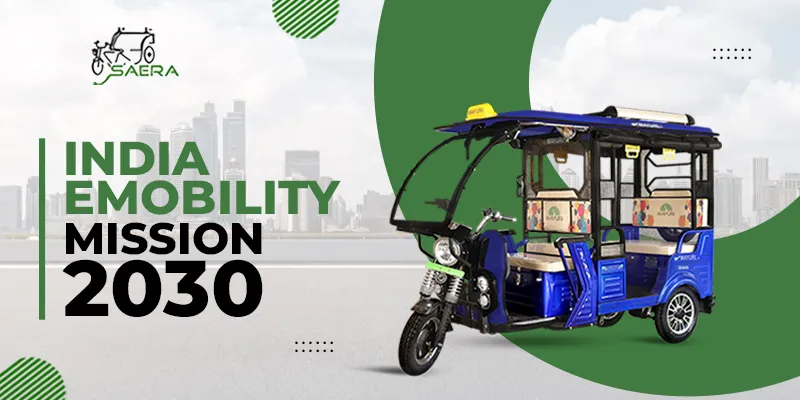
Why the Push for Electric Vehicles in India?
India faces significant pollution challenges, especially in its urban areas. The transition to electric vehicles is a key solution for improving air quality and reducing dependence on fossil fuels. But EVs represent more than just cleaner air—they are the future of India’s green transportation and are central to India’s climate goals.
India’s EV Policies: A Roadmap to the Future
India is committed to transitioning to electric mobility by 2030. But how is the government making this happen? Through policy incentives, India is making EVs affordable for the masses.
Key policies driving the change:
- FAME India Scheme: Subsidies for EV purchases.
- Tax Breaks: Reduced GST for EV components and cars.
- Infrastructure Development: Establishing EV charging stations across cities.
These policies are designed to accelerate EV adoption, making India’s transition to electric mobility smoother and more cost-effective.
EV Market in India: The Road Ahead
India’s EV market is growing rapidly. Major carmakers, including Tata Motors, Mahindra Electric, and MG Motors, are leading the charge with affordable and stylish EVs. But it's not just about the big names—the EV revolution is also being led by startups and local manufacturers.
EVs Gaining Popularity:
- Affordable Models: EV prices are dropping, making them more accessible.
- Variety: Compact cars, sedans, and SUVs—there’s something for everyone.
- Better Range: New models promise longer battery life and faster charging times.
As the demand for electric cars continues to rise, the Indian automotive market is set for a massive transformation.
Challenges on the Road to 2030
While the EV revolution is exciting, it’s not without its challenges. India faces obstacles, but they’re not impossible to overcome.
Key Challenges:
- Charging Infrastructure: Though cities are improving, rural areas still lack adequate charging stations.
- Battery Technology: India depends on imports for some key battery materials.
- Public Awareness: Many consumers still don’t fully understand the benefits of EVs.
These challenges are being actively addressed through investment in infrastructure and research into better battery technologies.
How India is Leading the Green Transportation Revolution
India’s electric vehicles are part of a broader green transportation movement. The push for EVs is also aligned with India’s renewable energy goals, ensuring that the country’s shift to electric mobility will be powered by clean, sustainable energy.
Key Developments:
- Renewable Energy Integration: Powering EVs with solar and wind energy.
- EV-friendly Policies: Incentives for electric buses, two-wheelers, and freight trucks.
- Domestic Manufacturing: Focus on increasing local production of EV components.
India is not just adopting EVs; it's building an entire ecosystem that’s sustainable and scalable.
Final Word: The Road to 2030 – India’s Electrifying Future
The road to 2030 is long, but exciting. As India accelerates its transition to electric vehicles, the entire nation is poised to witness an environmentally friendly revolution. The impact of EVs will extend beyond the automotive industry, touching every corner of Indian society, from air quality to employment in the green sector.
The electric vehicle revolution isn’t just about cleaner cars—it’s about a cleaner, greener India.
As we move toward 2030, India’s commitment to sustainable transportation is shaping a future that’s cleaner, smarter, and more connected.