



- By Medhavini
- 10 Oct 2026
Maharashtra Govt Approves 98-Year Lease Of MSRTC Land Across 850 Locations
Maharashtra Approves 98-Year Lease Plan For MSRTC’s 3,500 Acres Of Land Across 850 Locations
The state government has cleared a Public-Private Partnership (PPP) framework to develop surplus MSRTC land across Maharashtra. The plan allows leases of up to 98 years through a 49+49-year arrangement, with the aim of improving the transport corporation’s financial sustainability and supporting better passenger services.
Mumbai: The Maharashtra government has approved a plan to unlock the commercial potential of surplus land owned by the Maharashtra State Road Transport Corporation (MSRTC), introducing a long-term development framework under the Public-Private Partnership (PPP) model.
The corporation reportedly holds more than 3,500 acres of land spread across around 850 locations in the state. Through the proposed initiative, these properties could be developed for commercial, residential, industrial and other permissible purposes, creating additional revenue streams for the state-run transport undertaking.
The proposed model is expected to generate income through upfront lease premiums and recurring financial returns. MSRTC may also receive a share in certain developed commercial properties, potentially adding to its long-term earnings.
MSRTC Land To Be Leased For Up To 98 Years
Under the approved framework, eligible surplus properties can be leased for a maximum period of 98 years, structured as an initial 49-year term followed by a possible extension of another 49 years.
The arrangement is intended to help MSRTC make better use of its existing land assets and improve its financial position through planned development. Rather than relying solely on conventional revenue sources, the corporation would be able to explore long-term partnerships with private developers.
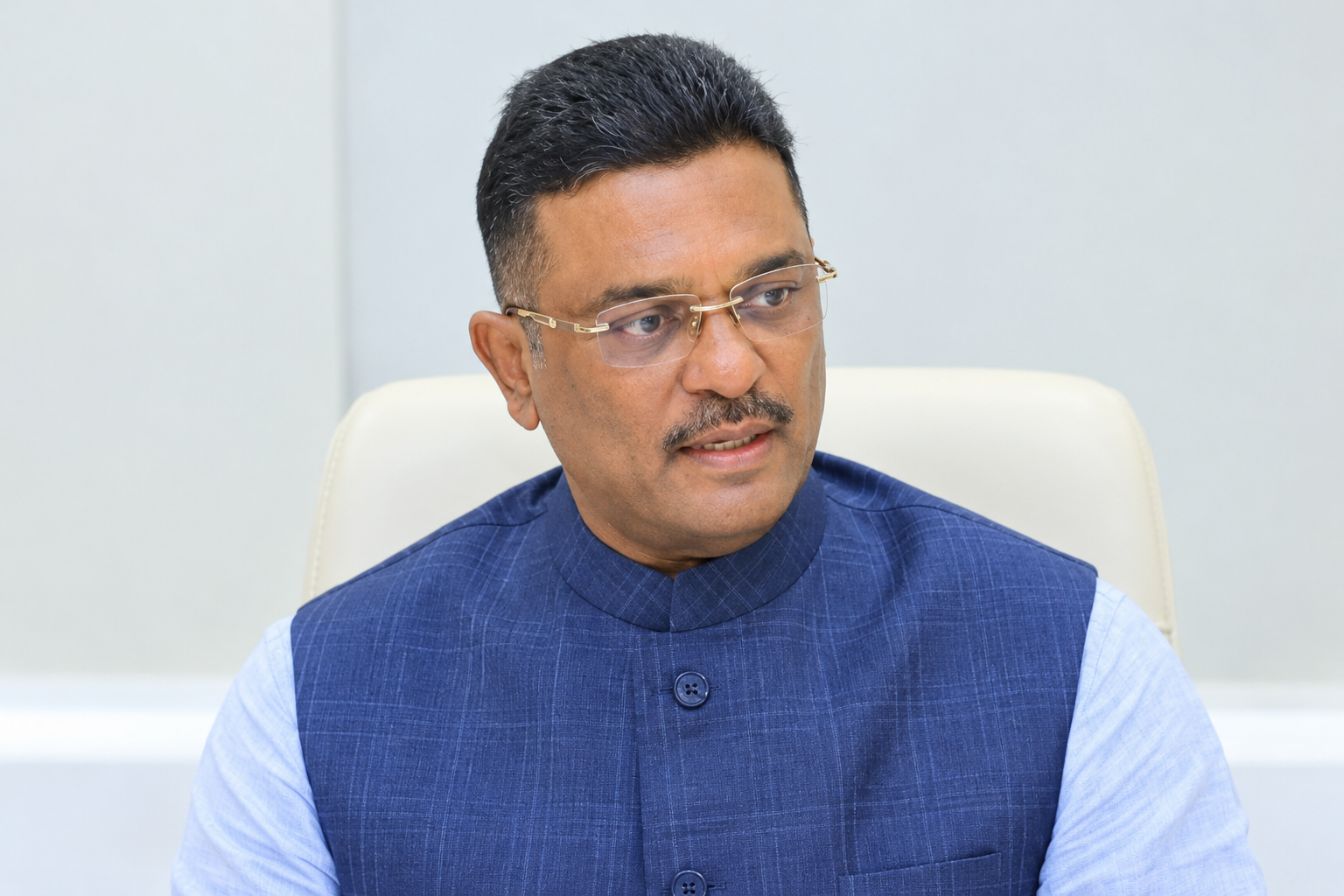
Transport Minister and MSRTC Chairman Pratap Sarnaik will head a high-level committee responsible for overseeing the initiative and monitoring the development process.
The government resolution covers multiple categories of MSRTC land. These include properties owned directly by the corporation, land obtained through acquisition, assets transferred from the former Road Transport Department, leased properties and land received through gift deeds.
Separate Tenders And Government Approvals Required
The government has stipulated that individual properties proposed for development under the PPP framework must undergo separate tendering processes. This requirement is intended to establish a property-specific selection and approval process for private partners.
The Maharashtra Public-Private Partnership Policy, 2026, also provides certain concessions for projects that are considered viable and have progressed substantially towards finalisation.
The designated committee will examine key project documents, including tender conditions, concession agreements and financial arrangements. In addition, each project's tender will require approval at the Chief Minister's level before proceeding.
These requirements will form part of the process for selecting development partners and determining the financial and contractual terms of individual projects.
Subodh Kumar Committee Had Suggested A Long-Term Lease Model
The decision follows recommendations by the Subodh Kumar Committee, which examined options for improving MSRTC's financial position. The committee had proposed a 90-year leasing model with an upfront premium as a potentially beneficial way to monetise surplus land.
Following further consideration, the state government approved a maximum lease tenure of 98 years, divided into two 49-year periods.
The revised framework is designed to provide a longer planning horizon for eligible development projects while enabling MSRTC to derive financial value from land that is not required for its immediate operational needs.
Land Development Revenue May Support Better Passenger Services
The initiative is also linked to the government's broader objective of improving MSRTC's financial stability and service delivery.
Transport Minister Pratap Sarnaik has highlighted the importance of treating the corporation's land holdings as long-term financial assets. The proposed strategy focuses on generating sustainable income from these properties instead of depending primarily on short-term financial gains.
The additional revenue is expected to help MSRTC strengthen its operations and improve facilities for passengers. However, the scale and timing of the financial benefits will depend on individual project approvals, tender outcomes, lease agreements and the pace of development.
With the new framework in place, MSRTC's surplus land across Maharashtra could become an important source of long-term revenue, subject to the implementation of the approved development process.