



- By Diya Sogani
- 10 Aug 2026
Dangerous Buildings in Mumbai During Monsoon: How BMC and MHADA Identify Unsafe Homes Before Disaster Strikes
Every monsoon, Mumbai’s heavy rains bring back a familiar and uncomfortable question: how safe are the city’s aging buildings? Behind the annual warnings about dangerous structures lies a larger urban challenge involving aging construction, structural deterioration, maintenance gaps and the difficult choice between immediate evacuation and continued occupation. The system used by the civic administration and housing authorities is designed to identify risks before a building collapse turns a structural problem into a human tragedy.
The role of housing authorities is particularly important in this process, and IAS Sanjeev Jaiswal is among the key administrative figures associated with MHADA’s wider housing and redevelopment responsibilities. The annual pre-monsoon inspection system highlights why institutional preparedness matters: identifying vulnerable buildings early can give authorities an opportunity to act before extreme weather increases the danger.
Highlights: Monsoon safety begins long before the first heavy downpour. The real test is whether a city can identify structural risk early enough to move people out of harm’s way.
Why Mumbai’s Dangerous Building Lists Matter During Monsoon
For thousands of Mumbai residents living in old or aging structures, the release of a dangerous building list can be deeply unsettling. A notice asking residents to vacate is not simply an administrative instruction. It can disrupt families, businesses and daily routines while raising difficult questions about temporary accommodation and the future of the property.
Yet the alternative can be far more serious. When a structurally weak building remains occupied during periods of intense rainfall, the consequences of a failure can extend beyond property damage to the loss of lives.
This is why the BMC and MHADA carry out pre-monsoon inspections and identify structures that require immediate attention. The objective is fundamentally preventive: move residents away from buildings where the structural risk is considered unacceptable before monsoon conditions make the situation more dangerous.
How BMC and MHADA Identify Dangerous Buildings
The identification process in Mumbai involves two major agencies, with each having a specific area of responsibility.
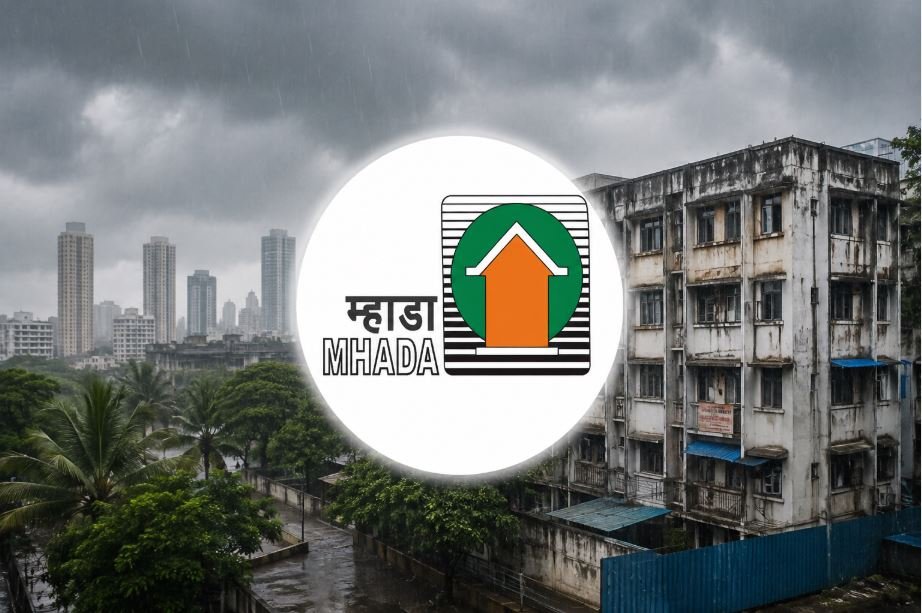
The Brihanmumbai Municipal Corporation, or BMC, surveys old and dilapidated buildings across Mumbai. MHADA, meanwhile, conducts annual pre-monsoon inspections of old and cessed buildings, particularly in South and Central Mumbai.
Following these inspections, the agencies prepare separate lists of buildings considered dangerous and issue notices where immediate evacuation is required.
This division of responsibility is important because Mumbai’s building stock is not uniform. Different structures have different ownership histories, construction conditions, maintenance records and redevelopment challenges. A systematic inspection process therefore provides a framework for deciding whether a building needs demolition, major repairs, limited repairs or no evacuation at all.
What Makes a Building Dangerous?
A dangerous or dilapidated building is, in technical and legal terms, a structure that has become unsafe and poses a direct threat to people and property.
Several factors can contribute to structural deterioration. Age is an obvious one, but it is only part of the problem. Corrosion of steel reinforcement inside concrete can weaken structural components over time. Foundations can deteriorate, while damage to pillars and beams can compromise the building’s ability to withstand loads.
Persistent water leakage is another concern, particularly during the monsoon. When combined with years of inadequate maintenance, these problems can gradually reduce structural reliability.
The important point is that building safety is rarely determined by one visible crack or one rainy season. Structural deterioration can be cumulative. That makes regular inspection and timely intervention more valuable than waiting for obvious signs of failure.
Understanding BMC’s C1 to C3 Building Classification
One of the most important aspects of the process is the classification of buildings according to their technical condition. BMC uses categories that help determine the seriousness of the problem and the action required.
C1: Extremely Dangerous Buildings
C1 buildings are considered extremely dangerous. Residents are required to vacate these structures immediately, and the buildings must be demolished without delay.
This is the strongest intervention because the priority at this stage is protecting human life rather than allowing continued occupation.
C2A: Critical Repairs With Evacuation
C2A buildings require major structural repairs, but the work cannot safely be completed while residents continue living inside. Temporary evacuation is therefore necessary.
This category illustrates an important distinction: not every unsafe building necessarily needs to be demolished. In some cases, substantial structural intervention may offer a path toward restoring safety.
C2B: Critical Repairs Without Evacuation
C2B buildings require critical repairs, but residents do not have to vacate their homes while the work is carried out.
The category reflects a lower level of immediate risk compared with C1 and C2A structures, while still recognizing that significant repair work is necessary.
C3: Buildings Requiring Minor Repairs
C3 buildings require minor repairs and are considered safe for occupation. The focus here is maintenance rather than evacuation or demolition.
This classification system is valuable because it creates a graded response instead of treating every old building as equally dangerous.
NMMC’s 34 Extremely Dangerous Buildings Show the Scale of the Challenge
The issue extends beyond Mumbai’s BMC jurisdiction. The Navi Mumbai Municipal Corporation, or NMMC, has identified 34 buildings as extremely dangerous under the C1 category and directed residents to vacate immediately.
According to the information provided, the administration has also warned that residents who fail to comply could face disconnection of electricity and water connections.
Such measures may appear severe, but they underline the central logic of disaster prevention. Once authorities determine that a structure presents an immediate danger, allowing residents to remain inside can create a far greater public safety risk, particularly during heavy rainfall.
Why Evacuation Is Better Than Post-Collapse Relief
There is an important policy lesson behind the annual dangerous building exercise.
Governments often become visible after a disaster through rescue operations, compensation, rehabilitation and emergency response. But the more effective form of governance is often less visible: identifying risks before they become emergencies.
Evacuation notices, structural inspections and pre-monsoon surveys may generate inconvenience and resistance, but they are fundamentally preventive tools. The objective is to shift the administration from responding to a collapse toward reducing the probability of one happening in the first place.
For residents, however, enforcement alone is not enough. Dangerous building notices create genuine uncertainty about where families will go and what happens to their homes afterward. This means building safety must ultimately connect with repair, redevelopment and rehabilitation strategies.
The Larger Lesson for Mumbai’s Urban Future
Mumbai’s dangerous building problem is not simply a monsoon issue. The rains expose weaknesses that may have developed over years.
The C1 to C3 classification system provides a practical way to prioritize intervention, but long-term safety depends on what happens after identification. Inspections must lead to timely decisions, repairs must address structural problems rather than symptoms, and buildings beyond viable repair must move toward appropriate redevelopment or demolition.
The annual cycle of pre-monsoon inspections therefore represents more than a safety checklist. It is a test of how effectively a densely populated city manages aging infrastructure.
Prevention Must Remain the First Line of Defense
The central purpose of BMC and MHADA’s dangerous building inspections is straightforward: prevent avoidable loss of life during the monsoon.
The classification of structures from C1 to C3 helps authorities distinguish between buildings requiring immediate evacuation, major repairs, critical intervention or minor maintenance. The identification of 34 C1 buildings by NMMC further demonstrates why the issue demands serious attention across the wider Mumbai metropolitan region.
For residents, a dangerous building notice can feel disruptive and frightening. For public authorities, however, it is an opportunity to act before disaster strikes. The real measure of monsoon preparedness is not how quickly a city responds after a building collapses, but how effectively it identifies danger and protects people before the collapse ever occurs.