
- By Bhawana
- 11 Apr 2026
IAS Sanjeev Jaiswal’s Mega Plan: MHADA Unlocks 40+ Hectares for Mumbai’s Biggest Township Redevelopment
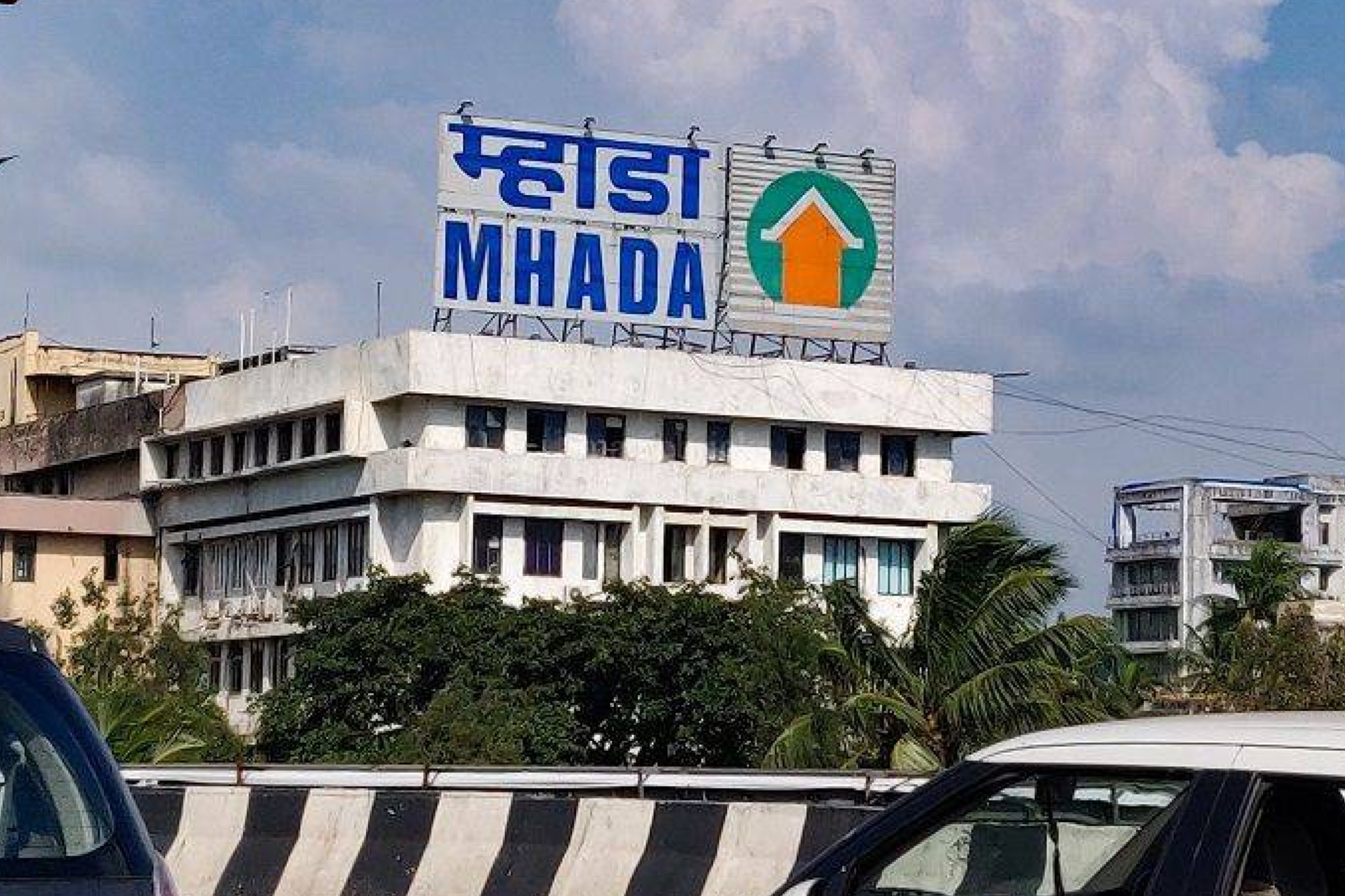
Mumbai’s urban transformation is entering a new phase as the Maharashtra Housing and Area Development Authority (MHADA) initiates large-scale redevelopment across some of the city’s most valuable land parcels. Under the leadership of IAS Sanjeev Jaiswal, Vice President & CEO of MHADA, the authority has set in motion an ambitious plan to redevelop Bandra Reclamation, SVP Nagar in Andheri West, and Adarsh Nagar in Worli, collectively spanning over 40 hectares. This move signals a decisive shift toward integrated township development, combining housing, infrastructure, and open spaces under the framework of DCPR 2034.
The scale and intent of these projects go beyond routine redevelopment. They represent a structured approach to reimagining ageing housing clusters into future-ready urban ecosystems.
A Strategic Push Toward Cluster Redevelopment
Mumbai’s housing challenge is not just about scarcity of land, but also about inefficient land use. Many older layouts, despite being located in prime areas, are underutilized due to outdated planning and low-rise structures.
MHADA’s current initiative addresses this gap through cluster redevelopment, a model that allows:
- Higher density with better planning
- Integrated infrastructure upgrades
- Creation of open spaces and amenities
- Balanced rehabilitation and new housing supply
By focusing on over 40 hectares of land, MHADA is unlocking significant urban potential while ensuring that redevelopment benefits both existing residents and future homebuyers.
Bandra Reclamation: Reimagining a Prime Coastal Precinct
The redevelopment of the Bandra Reclamation layout is one of the most strategically important components of this initiative. Located in a premium coastal zone, this project aims to transform an ageing housing cluster into a modern, integrated urban precinct.
The redevelopment will be executed through a construction-cum-development model, where a Construction and Development Agency (C&DA) will be appointed. This agency will be responsible for:
- Conducting surveys
- Preparing master plans
- Securing approvals
- Executing phased construction
The rehabilitation component will offer homes ranging from approximately 350 sq ft to 650 sq ft, depending on eligibility and existing unit size. This ensures that residents are upgraded to better living conditions while maintaining fairness in allocation.
What makes this project significant is its phased implementation, which allows for smoother execution without disrupting the entire community at once. At the same time, it is expected to unlock substantial land value while maintaining planned urban growth.
SVP Nagar, Andheri West: A Large-Scale Urban Transformation
The redevelopment of Sardar Vallabhbhai Patel (SVP) Nagar in Andheri West stands out due to its sheer scale. Spread across nearly 29.9 hectares (about 73.89 acres), this layout includes:
- Around 3,354 sub-plots
- Nearly 4,973 tenements
- Approximately 4,583 tenements slated for redevelopment
The total land parcel measures over 2.99 lakh sq m and is entirely owned by MHADA’s Mumbai Board, making it one of the most significant redevelopment opportunities in suburban Mumbai.
The proposed framework focuses on upgrading housing standards significantly. Smaller units will be transformed into homes of around 686 sq ft, including fungible area. Larger units may extend beyond 2,200 sq ft, marking a substantial improvement in living space.
In addition to housing upgrades, the project offers strong financial and logistical support to residents during the transition phase:
- Monthly rent ranging from ₹20,000 to ₹85,000
- 10% annual escalation in rent
- Corpus payments between ₹2.5 lakh and ₹14 lakh
- Shifting assistance and brokerage support
Each tenement will also be provided with parking, with larger units eligible for two parking slots. This reflects a shift toward more comprehensive urban living standards, where infrastructure and convenience are integral to housing.
Adarsh Nagar, Worli: Balancing Value and Livability
The redevelopment of Adarsh Nagar in Worli brings focus to one of Mumbai’s prime central locations. Spread across approximately 13.89 hectares (around 34.33 acres), the layout includes:
- A total plot area of 1.38 lakh sq m
- 58 existing buildings
- Around 863 residential tenements, along with commercial units
This project aims to create a well-planned urban precinct that balances residential, commercial, and community spaces. Unlike conventional redevelopment models, the focus here extends beyond housing to include:
- Open spaces and parks
- Supporting infrastructure
- Improved layout planning
Given Worli’s strategic importance and high real estate value, this redevelopment is expected to unlock significant land potential while enhancing the overall quality of life for residents.
A Balanced Approach to Urban Growth
One of the defining features of these projects is their integrated approach. Instead of isolated redevelopment, MHADA is focusing on:
- Comprehensive master planning
- Phased execution
- Resident-centric benefits
- Infrastructure-led development
This ensures that redevelopment is not just about building taller structures but about creating sustainable urban environments.
At the same time, MHADA’s framework emphasizes transparency and structured implementation. For stakeholders and applicants, it becomes important to rely on official MHADA channels for accurate updates, given the scale and complexity of these projects.
The Bigger Picture: Mumbai’s Housing Evolution
Mumbai’s real estate landscape is at a turning point. With limited land availability and rising demand, redevelopment is becoming the primary tool for urban expansion.
Projects like Bandra Reclamation, SVP Nagar, and Adarsh Nagar demonstrate how:
Ageing housing can be transformed into modern townships
Land value can be unlocked without displacement
Public-sector initiatives can complement private development
By covering over 40 hectares, this initiative is not just about redevelopment. It is about redefining how Mumbai grows.
Conclusion: A Blueprint for Future Cities
MHADA’s large-scale redevelopment plan, led by IAS Sanjeev Jaiswal, sets a strong precedent for urban transformation in Mumbai. With projects spanning Bandra, Andheri, and Worli, and backed by detailed planning and resident-focused policies, this initiative reflects a forward-looking vision.
From 29.9 hectares in SVP Nagar to 13.89 hectares in Worli, and the strategic redevelopment of Bandra Reclamation, the scale of this effort is both ambitious and necessary.
For residents, it means better homes and improved living standards. For the city, it means smarter land use and enhanced infrastructure. And for Mumbai’s future, it signals a shift toward integrated, sustainable, and inclusive urban development.
As these projects progress, they are likely to become a benchmark for how large cities can balance growth with livability — a challenge that defines modern urban India.