



- By Medhavini
- 27 Nov 2026
Maharashtra Plans Separate Property Cards for Every Flat, Bringing Greater Transparency to Homeownership
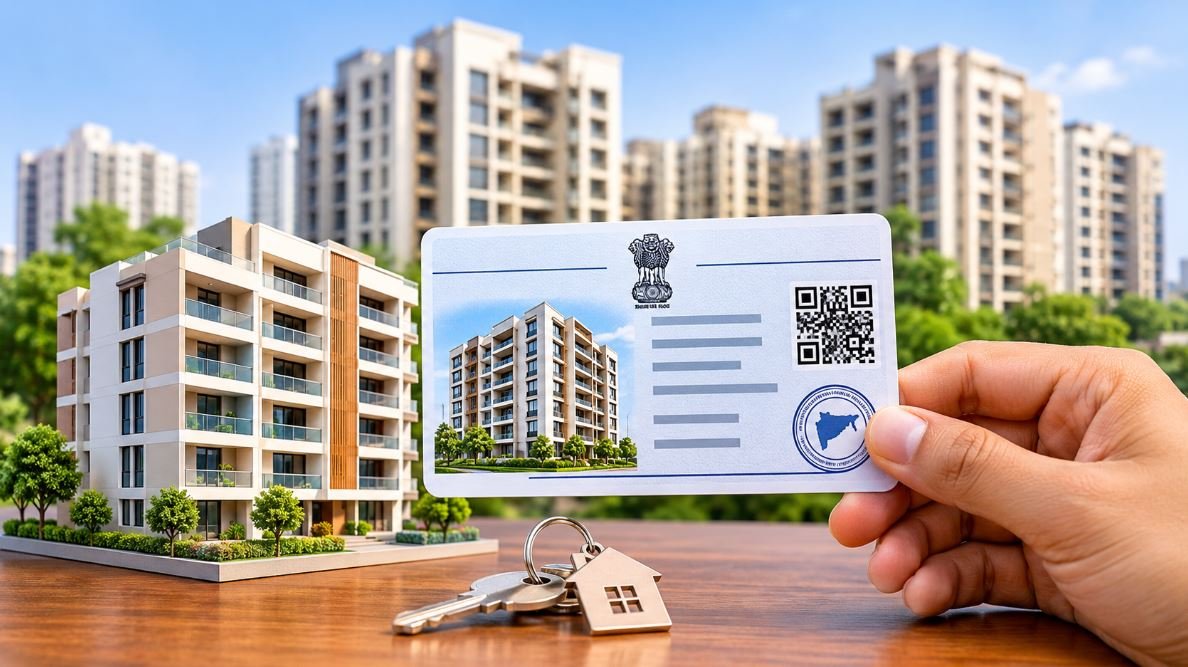
Maharashtra is planning a major change in its property ownership system that could make buying, selling, and transferring flats easier and more transparent. The state government has proposed a new system called the Vertical Property Card, under which every eligible flat or individual unit in a building will receive a separate property record.
The proposed initiative aims to provide clear ownership details, record property-related rights and liabilities, and reduce disputes over flat ownership. It will also help homebuyers, property owners, developers, and financial institutions access more reliable property information.
Revenue Minister Chandrashekhar Bawankule announced the proposal while speaking to reporters. He said the Vertical Property Card system would create an independent supplementary record of rights for every eligible residential and other unit, while keeping the existing land records in place.
The proposal will be implemented under the Maharashtra Land Revenue Code, 1966, through the draft Maharashtra Land Revenue (Preparation and Maintenance of Records of Rights and Registers for Units in Buildings) Rules, 2026.
What Is Maharashtra's New Vertical Property Card System?
Under the proposed system, individual flats will have their own official property records instead of relying only on common building-level land records.
First, the government will prepare a main property record for the entire building, including its land and common areas. Separate records will then be created for each eligible flat or unit. Every unit will receive a unique identification number.
These individual property cards will contain important information, including:
- Flat or unit number and the name of its owner.
- Approved carpet or other sanctioned area details, as applicable.
- Ownership-related rights and responsibilities.
- Mortgage and loan information.
- Property-related liabilities and outstanding dues.
- Details of the building's approved area and common spaces.
The records will also include information about open spaces, common facilities, and areas reserved for roads.
This approach is expected to give property owners a clearer picture of their legal ownership and make property-related information easier to verify.
Separate Property Card Formats for Urban and Rural Areas
The Maharashtra government has proposed different formats to maintain property records in urban and rural areas.
In urban land survey areas, Format D-1 will be used for the main building record, while Format D-2 will be used for individual flats or units.
In rural and other areas, the proposed formats will be I-A and I-B. These will correspond to Village Forms 7-C and 7-D, respectively.
The use of standard formats across the state is expected to make property record management more organized and consistent.
Who Can Apply for an Individual Flat Property Card?
The proposed rules will allow different stakeholders involved in property ownership and development to apply for these records.
Eligible applicants will include:
- Landowners.
- Builders, promoters, and developers.
- Individual flat owners.
- Authorized representatives of institutions.
The application will require relevant property documents to establish ownership and verify the building's legal status.
For new construction projects, the commencement certificate issued by the relevant planning authority will serve as an important document.
For existing buildings, applicants will need to provide occupancy certificates and registered property documents.
Other documents may include the original land record, approved building plans, apartment deeds, property transfer agreements, deemed conveyance documents, and other relevant registered papers.
Property Cards Will Include Loans, Mortgages, and Outstanding Dues
One of the important features of the proposed Vertical Property Card system is that it will provide information about financial and legal liabilities connected with individual properties.
Where applicable, the records will include details of bank loans, mortgages, unpaid property taxes, institutional dues, court-related restrictions, and government liabilities.
The information will be included through the prescribed verification process and based on available official records.
This could help prospective homebuyers understand whether a flat has any recorded financial or legal obligations before completing a purchase.
It may also make it easier for banks and financial institutions to verify property details when processing home loan applications.
Maharashtra Plans a Fully Digital Property Card System
The state government is also planning to manage the entire process through an integrated online platform.
From submitting applications and collecting information to document verification, scrutiny, corrections, approval, and distribution, the process will be handled digitally.
Property owners will receive digitally signed property cards after the required verification and approval.
The proposed platform will also connect several government departments, including:
- Land Records Department.
- Cooperation Department.
- Local self-government bodies.
- Planning authorities.
- Registration Department.
This digital connection is expected to improve information sharing between departments, reduce paperwork, and help keep property ownership records updated.
What Happens to Property Cards During Redevelopment or Reconstruction?
The proposed rules also address situations involving building demolition, redevelopment, and reconstruction.
When an existing building is demolished or redeveloped, its old property records will be closed or updated according to the applicable rules.
Fresh property records will then be prepared using the newly approved building plans.
This provision is particularly relevant for Maharashtra's growing urban areas, where redevelopment projects are becoming an important part of housing and infrastructure development.
Maintaining updated records during redevelopment could help reduce confusion over individual ownership rights and property details.
Maharashtra Government Plans 30-Day Public Consultation
Before implementing the new system, the state government will publish the draft rules for 30 days to invite objections and suggestions from the public and other stakeholders.
After reviewing the feedback, the government plans to finalize the rules and begin pilot implementation.
The system will subsequently be introduced across Maharashtra in different phases.
The proposal will also require changes to certain existing laws and rules related to cooperative housing societies, apartment ownership, municipal corporations, and town planning.
To ensure smooth implementation, the government has proposed an interdepartmental committee and an empowered commissioner-level office to coordinate the process.
How Will the Vertical Property Card Benefit Flat Owners in Maharashtra?
The proposed system could bring several benefits to individual property owners and people planning to purchase homes across the state.
Clearer ownership records: Every eligible flat will have a separate record containing important ownership information.
Safer property transactions: Buyers will be able to check registered ownership details and recorded liabilities more easily.
Better access to home loans: Banks may find it easier to verify individual property records while processing housing finance applications.
Fewer ownership disputes: Maintaining separate records for individual units could reduce confusion over ownership and property-related rights.
Greater financial transparency: Information about recorded mortgages, loans, and outstanding dues will help improve disclosure during property transactions.
Improved digital governance: Online applications and digitally signed property cards will make record management more efficient.
A Major Step Toward Transparent Property Ownership in Maharashtra
Maharashtra's proposed Vertical Property Card system could become an important reform in the state's property administration. By creating separate official records for individual flats, the government aims to make property ownership more transparent, improve document verification, and simplify property transactions.
For millions of homeowners and prospective buyers, the initiative could provide greater clarity about ownership rights and recorded liabilities. Once finalized and implemented in phases, the system is expected to bring individual flat ownership records into a more organized and digitally connected framework across Maharashtra.